

Young people are often described as passive simply because they are not showing up in the places older generations expect to see them. That is too quick a conclusion. Participation today takes a broader shape: through volunteering, local initiatives, sports programmes, student actions, digital campaigns and smaller communities gathered around a concrete issue. If we only look at formal channels, we miss an entire range of engagement that is active, useful and important over time.
The problem is that these forms of engagement are harder to capture in a single frame. They are not always loud, institutional or easy to count, but they are often very real. Someone who will not attend a formal public discussion may still spend a weekend helping organise an event, mentoring peers or supporting a local idea until it becomes visible. That is why claims about youth passivity often say more about the way participation is measured than about whether it exists.
The issue is often not willingness, but format
When young people are offered a space that feels real, their involvement stops looking surprising very quickly.
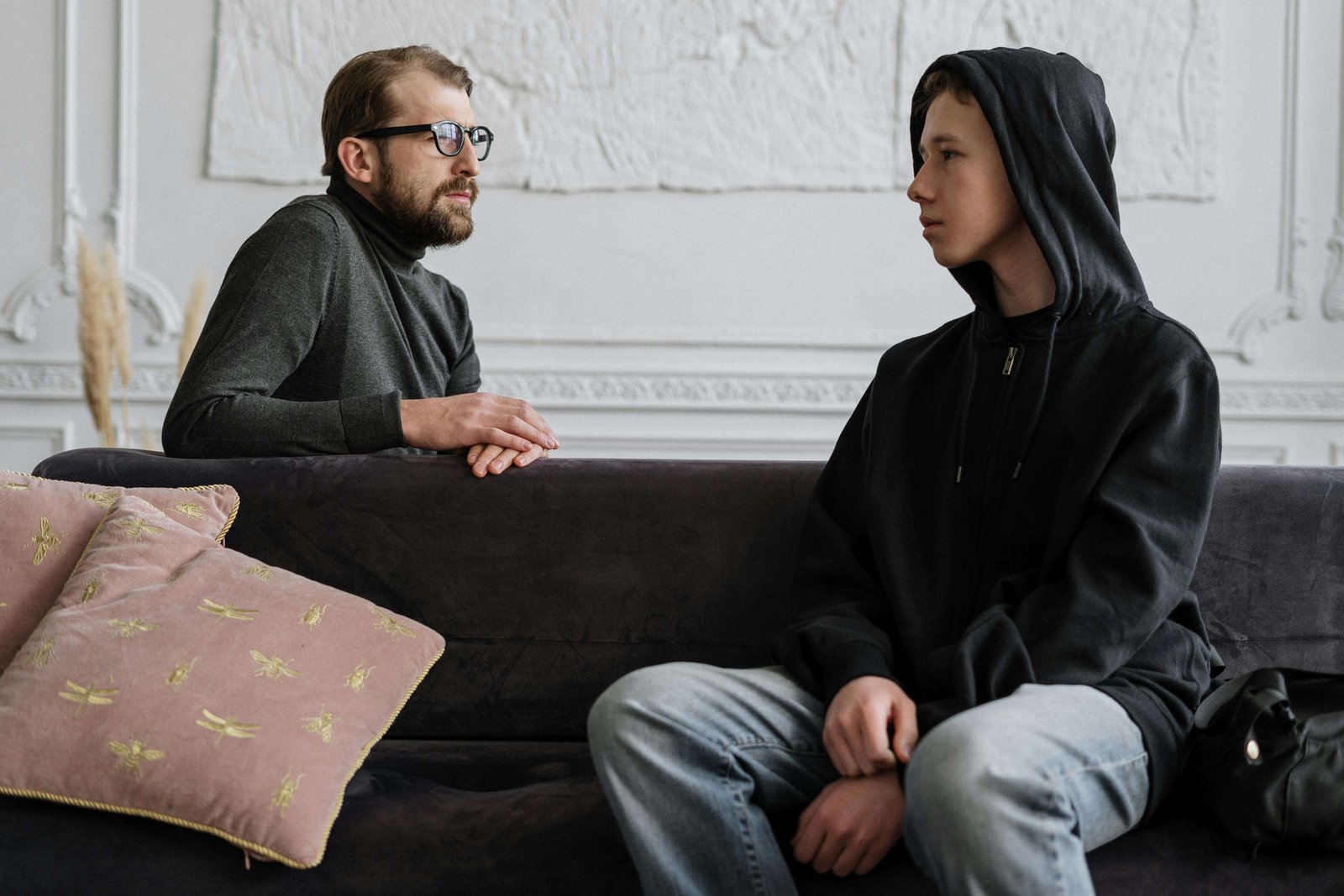
Trust is another important part of the picture. Young people are far less likely to join spaces where they feel invited only for appearances or where their role is limited in advance. When participation is open only on paper, but not in practice, interest fades quickly. The problem is not always a lack of willingness. It is often a lack of meaningful opportunities.
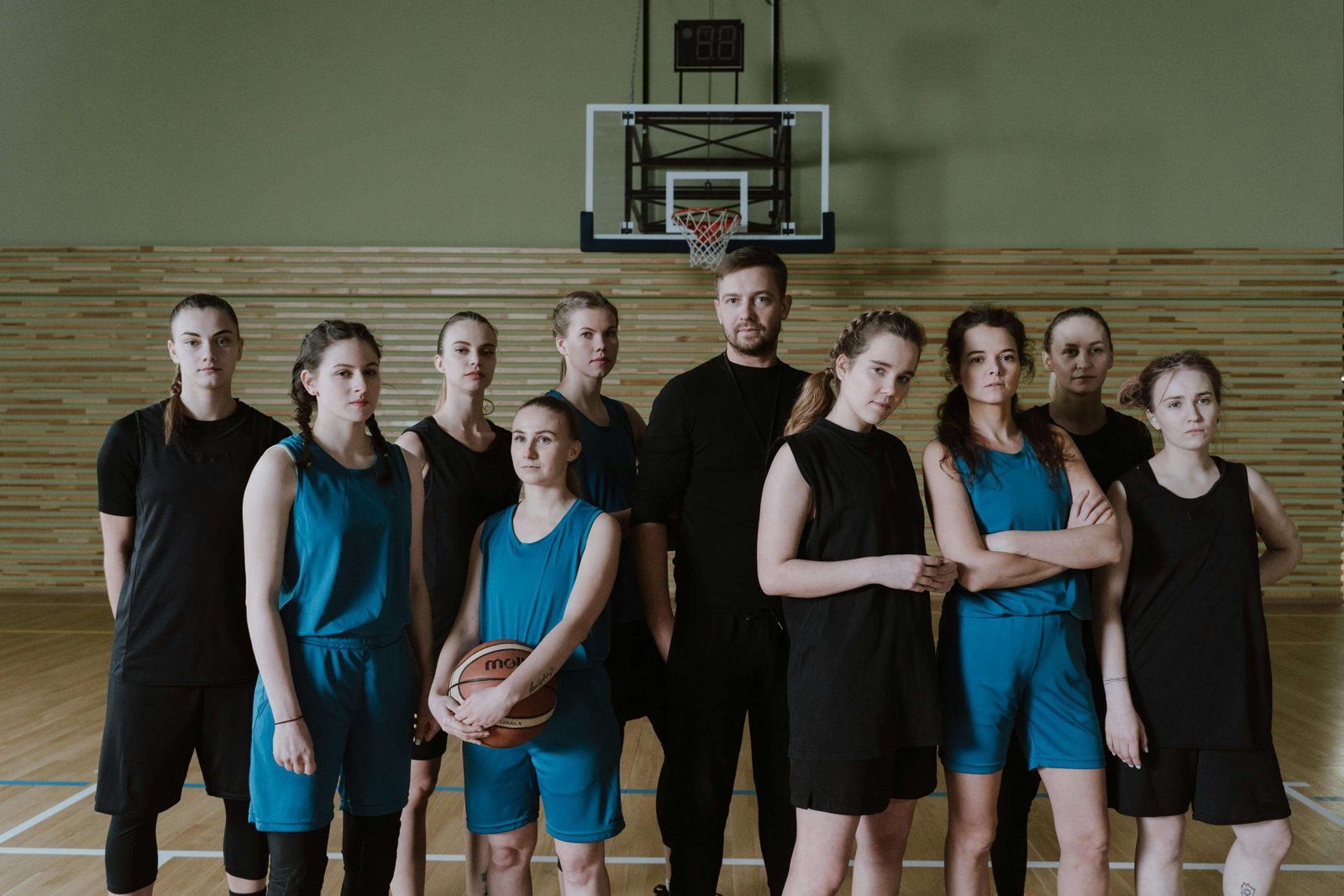
That is why young people are most likely to step in when they feel they can contribute to something tangible. When there is a clear goal, a team that respects them and a result that will remain after the work is done, participation stops feeling like an obligation and starts feeling like a natural choice. Strong programmes make a huge difference here: they do not ask for presence for its own sake, but create room for real contribution, responsibility and a sense that time invested carries weight.
Meaning is the strongest driver
For that reason, it is often more useful to ask where young people recognise meaning than whether they appear in expected spaces. When there is a clear purpose, a concrete team and a sense of shared effort, engagement happens much more naturally. Sometimes all it takes is one real chance to influence the immediate environment for a whole series of ideas, collaborations and initiatives to begin.
Maybe that is why the better question is not whether young people want to participate, but whether they are being offered spaces that feel fair, useful and genuinely open. The answer to the first question is very often yes. Young people do want to be part of change, but they are much more willing to enter processes where they feel respect, meaning and a concrete result that does not disappear as soon as the event ends.