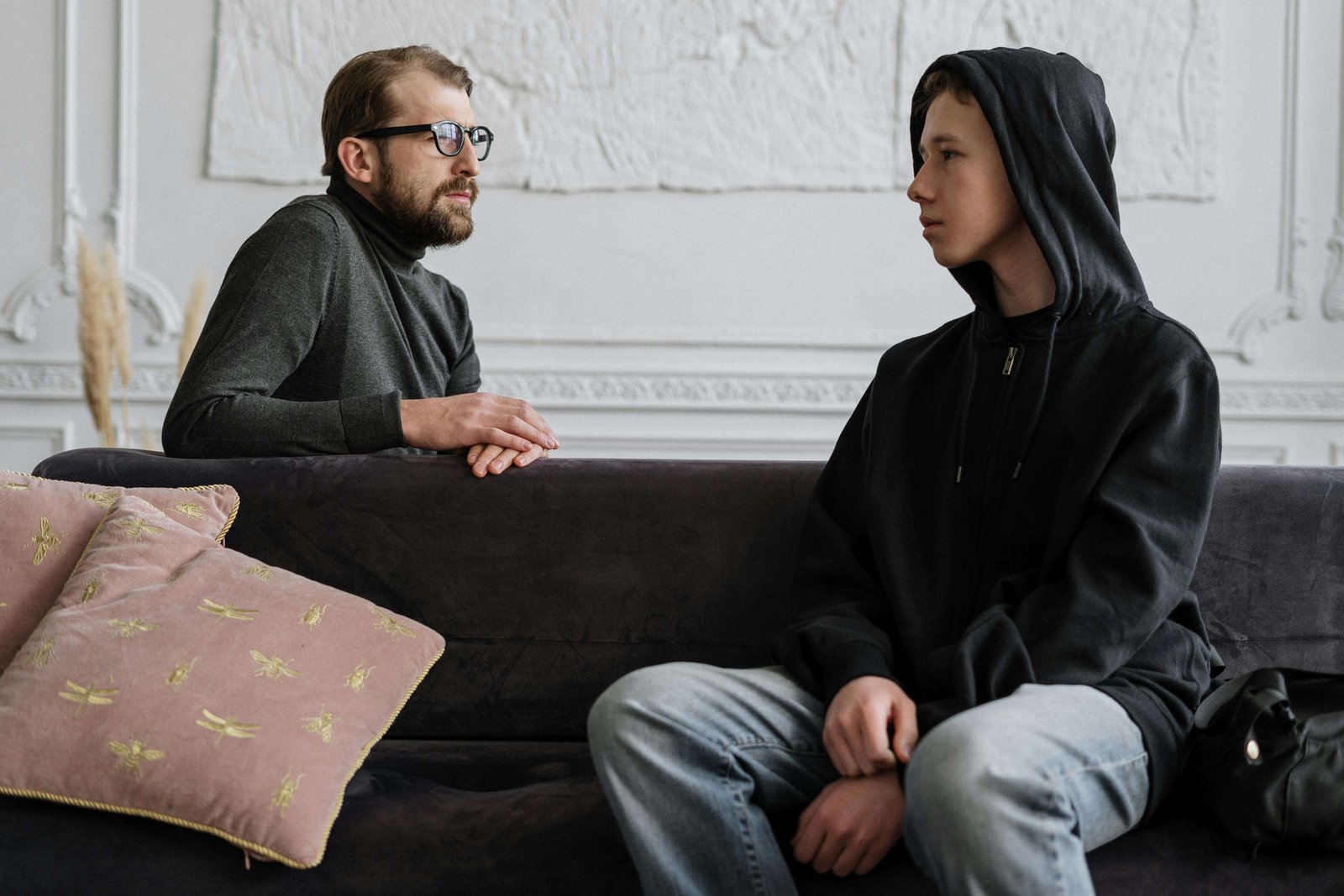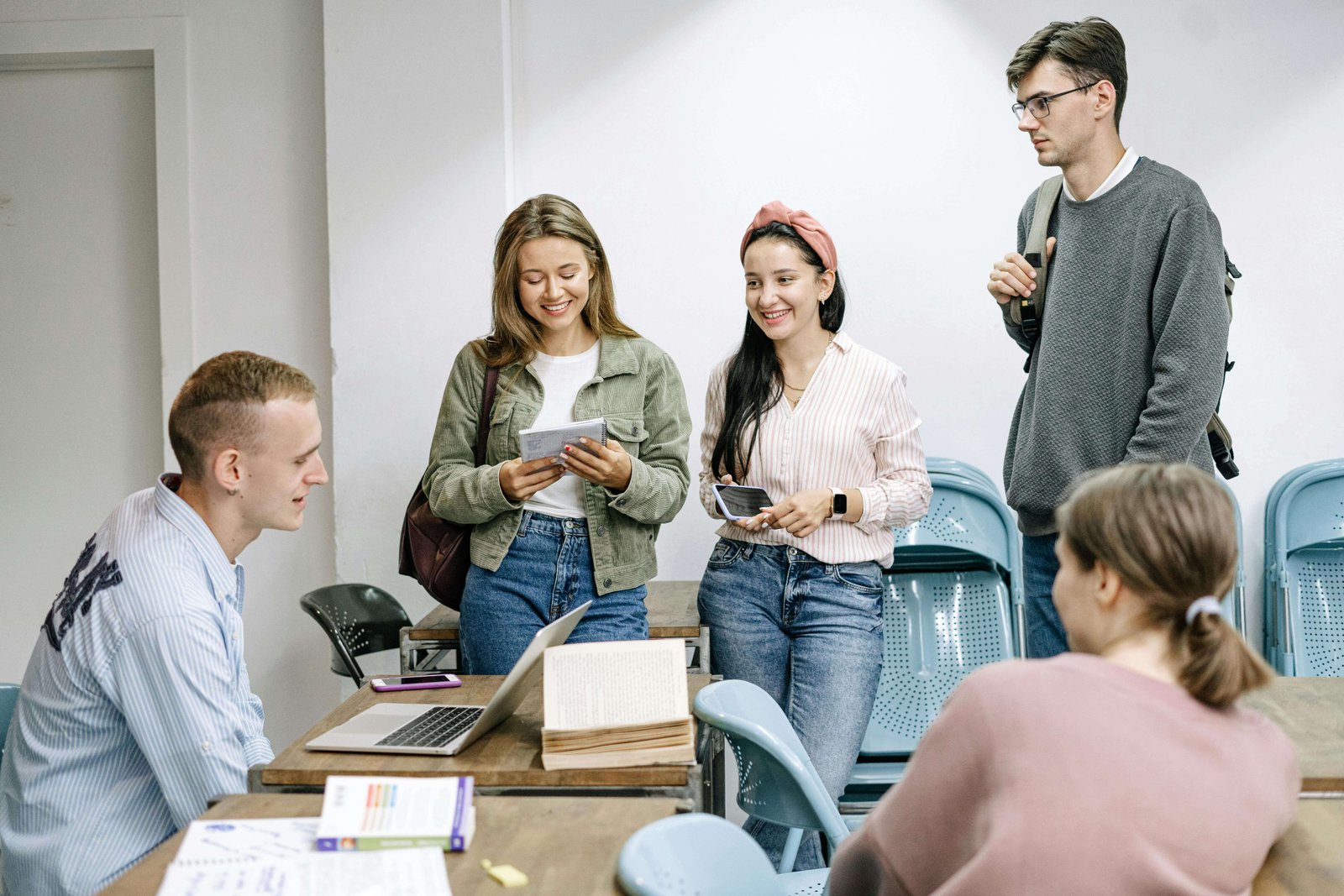
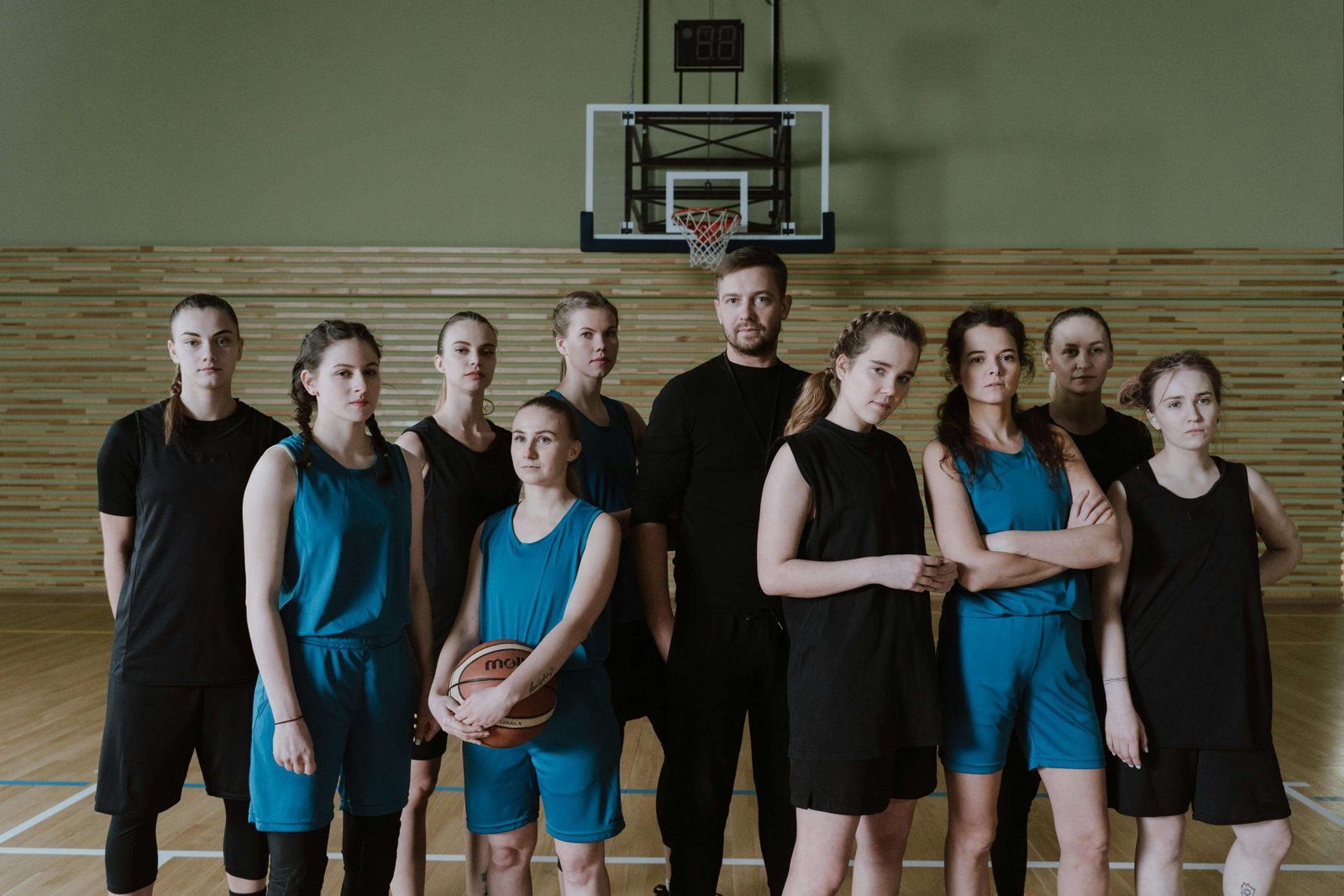

Some subjects require a long time before people begin to understand one another. Sport often works in the opposite direction: it can skip the introduction. Not because it solves differences by itself, but because it creates neutral ground for encounter, where formal distance drops more quickly and a shared rhythm begins to form. That is where a conversation starts that feels less imposed and more naturally open.
That is the interesting angle of “Putem sporta”. When a programme moves through different cities and partner communities, from April 2026 to January 2027, it is not only an agenda of events that travels. What travels is an idea about how mutual trust can be built: not through grand declarations, but through a series of encounters in which young people, partners and local communities have a concrete reason to come together. Every city adds its own setting, and that is part of the strength of a format that does not force one fixed scene, but allows common ground to emerge from many different ones.
Sport here is not the goal, but the language of encounter
When people first share the space of play, they are far more likely to share attention, conversation and trust afterwards.
That matters because sport in this project is not only content. It is method. It opens a space in which people can meet more naturally, cooperate with less reserve and see one another outside preassigned roles. When that frame is combined with youth dialogue, partnerships and public events, the result goes beyond the memory of one pleasant day. What remains is the sense that encounter was possible, simple and meaningful.
A sequence of events can do something a single event rarely can: build a network. In that process, local partners are not a supporting detail, but part of the substance of the story. Every stop brings its own audience, energy and sense of belonging, turning the shared field into a wider space of exchange and visibility. People leave not only feeling that they attended a programme, but that they entered a story connecting them with others through a shared experience.
A travelling format leaves a mark because it normalises encounter
That may be where the wider value of the project becomes clearest. When youth encounters are thoughtfully designed, a format like this shows that contact does not have to be difficult in order to be meaningful. It is enough to create a frame in which shared activity opens the door to dialogue, and dialogue then has a chance to stay. The field becomes more than a place for play or promotion. It becomes a place where people learn that cooperation can feel natural.
That is why “Putem sporta” can speak even to people who are not especially close to sport itself. Its centre is not performance, but the question of how people connect. And the answer it offers is simple: sometimes a shared field is the quickest route to a conversation that lasts, because it activates the one thing formal spaces often struggle to build quickly enough: trust.