
There is already a great deal of language around sustainability, and that is partly the problem. The wider and more familiar a theme becomes, the easier it is for it to turn into a set of correct sentences everyone recognises, but very few people truly absorb. Young people notice quickly when what they are being offered is only a broad consensus, without space for the issue to become concrete, measurable and real enough to deserve their full attention.
That is why “EcoRise” Zlatibor stands out. Across four days, the programme brings students, academia and industry around challenges connected to water, climate and sustainability. In that encounter, a major theme stops being a slogan and becomes a task with boundaries, actors and consequences. Only then does serious thinking begin, because people engage much more deeply once they can see where the issue starts touching everyday life and future professional practice.
Big themes become real only once they take on boundaries
Young people are not avoiding complex themes; they are often waiting for the moment when the theme stops being mist and takes the shape of a problem worth answering.
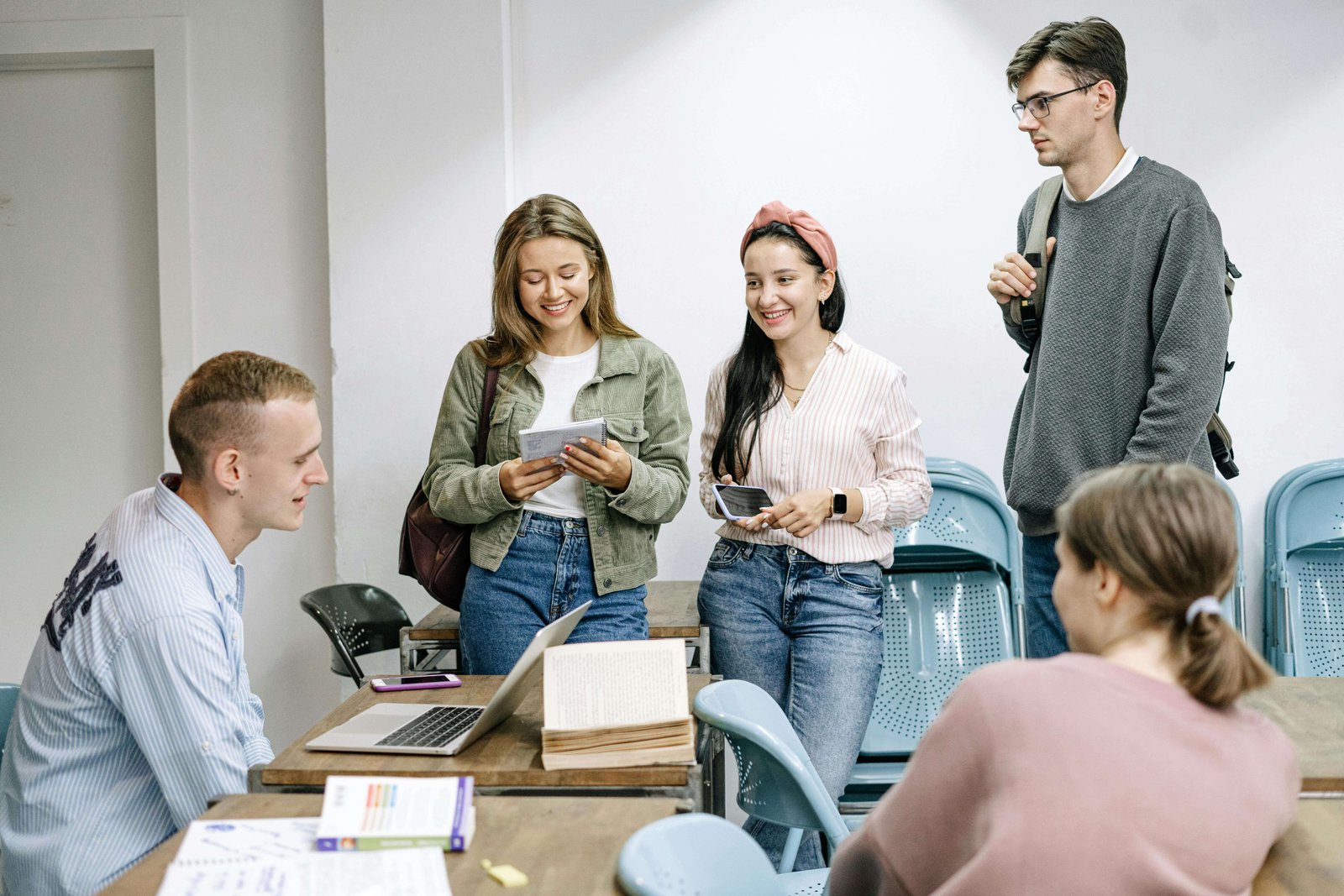
That is exactly why it matters that “EcoRise” does not stop at panels and inspirational language. Workshops, student challenges and work on real cases shift the whole rhythm of the experience. The conversation moves from “we know this matters” to “what would we actually do with it?” That transition is essential, because it determines whether sustainability remains a value we support in principle or becomes a field in which knowledge is tested and responsibility is genuinely shared.
The programme gains additional weight from the fact that it connects perspectives that do not often meet on equal ground. Academia brings scope and theoretical depth, industry brings limits and real demands, and young people bring energy, questions and a readiness to imagine different solutions. In that setting, knowledge does not circulate inside a closed loop. It is checked through dialogue. That often leads not only to better ideas, but to a far more mature relationship with the issue itself.
Knowledge gains weight when it can be tested immediately
That may be the most valuable layer of the “EcoRise” story. The programme gives young people back the sense that their knowledge is not something that may become useful one day, but something that can be used now. Once they see that analysis, teamwork and solution-building have a place in a real environment, their relationship to the subject changes. Sustainability is no longer only a moral position. It becomes a space for contribution, profession and responsibility.
That is why “EcoRise” stays in memory as more than a conference. It shifts perspective. It shows that serious themes only become close to people once we stop presenting them as abstractions and start treating them as shared work. That may be its most important lesson: the large questions of the future do not only need attention. They need formats in which people can genuinely take them on as their own task.