
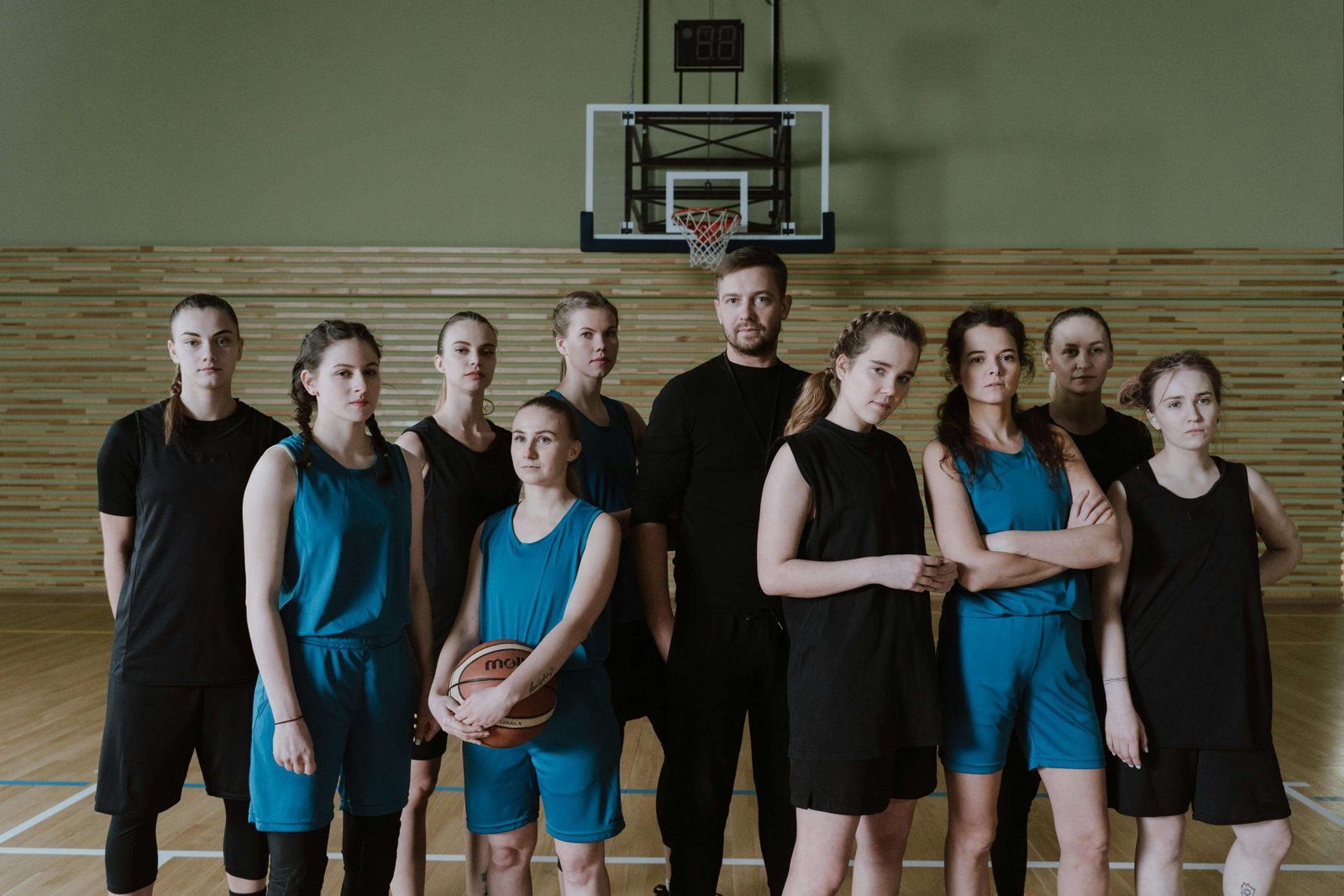

Fair play is often mentioned as part of sporting behaviour, but its value is much wider than shaking hands after a match. It begins much earlier: in the willingness to accept rules, respect an agreement, remain fair when things become difficult and understand that victory does not have the same meaning if it comes without respect for others.
Within “Putem sporta”, fair play matters because it gives young people a clear, everyday example of responsible behaviour. On the field, it quickly becomes visible how we react under pressure, how we accept mistakes, how we treat opponents and whether we can remain part of a team even when the result is not what we hoped for. These situations may be brief, but they can be remembered for a long time.
Respect is clearest when the game becomes tense
Fair play does not mean giving up the wish to win. It means showing that success matters most when we preserve respect for the game, the team and other people.
The most important lessons often appear in moments when it is not easy to stay calm. When someone makes a mistake, when we disagree with a decision, when the other side plays better or when the team loses an advantage, fair play becomes more than a phrase. In those moments, young people practise self-control, patience and the ability to respond responsibly, not only quickly.
That is why fair play is valuable even for those who do not practise sport professionally. Through these situations, young people learn that rules are not an obstacle, but a frame that gives everyone a sense of safety. They also learn that respect is not weakness, but the strength to remain fair even when emotions are high. That skill travels easily into school, community work, volunteering, future jobs and relationships with others.
A value that remains after the match ends
When sport is seen only through the score, many important things stay unnoticed. But when we pay attention to behaviour, agreement and the way people treat one another, the field becomes a place where lifelong habits are practised. That is why “Putem sporta” is not only about activity, but also about the values young people can carry with them.
Fair play reminds us that not everything depends on who was better in one moment. It also matters how we played, how we treated others and what we learned about ourselves while trying. When that lesson moves beyond the field, sport becomes more than a game: it becomes a way to build a more responsible, attentive and connected community.