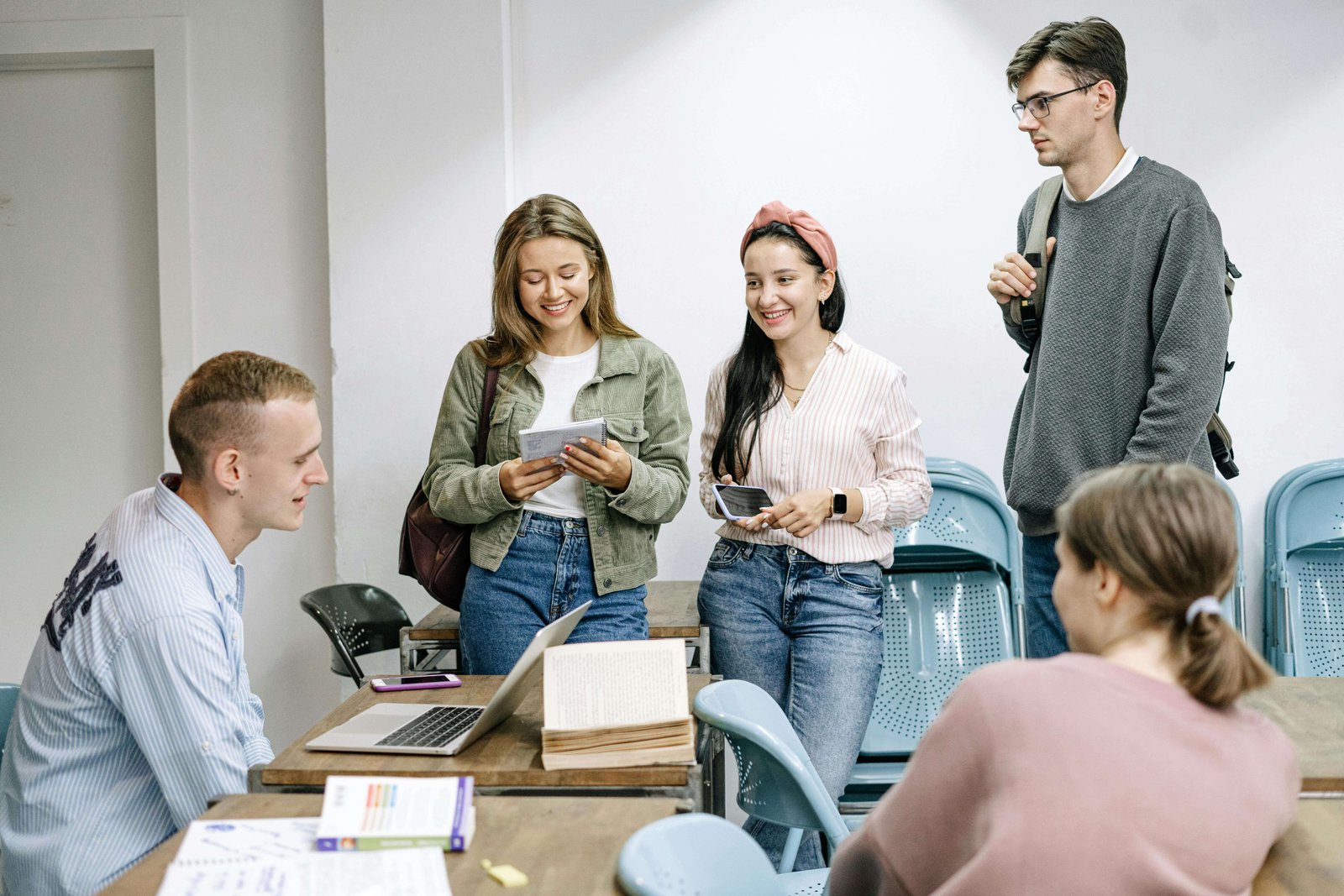
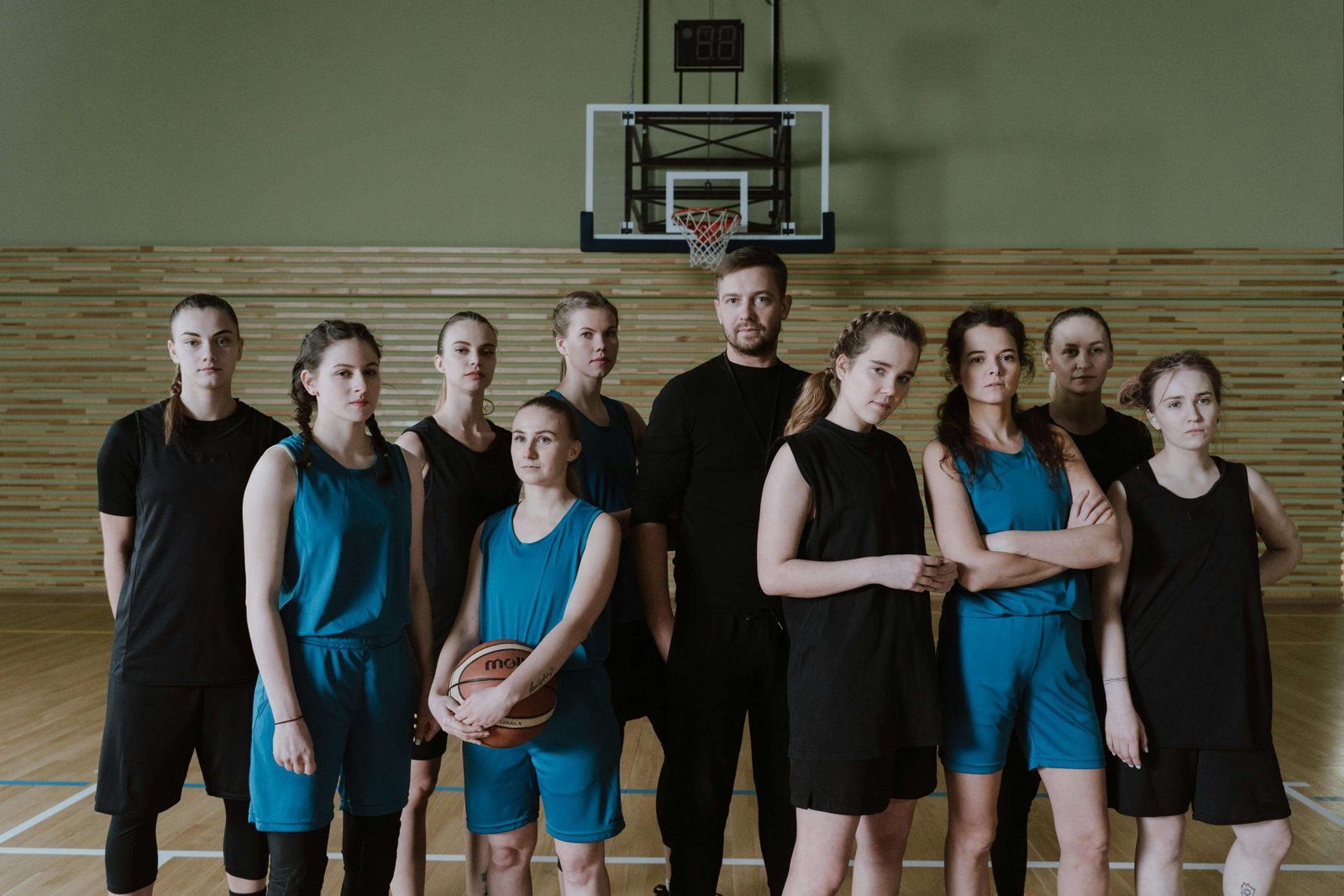

Winning is the most visible part of the sports story. It is remembered, measured and retold first. But for many young people, everything that happens before the result can be just as important, maybe even more important. Showing up on the field. Agreeing with the team. Trying again after a mistake. Feeling that you have a place in the group and that you can contribute. Participation is not a consolation prize for those who did not win; it is the first space in which a young person learns to be present, responsible and connected to others.
That is why “Putem sporta” is not only about training sessions and matches. It is also about how sport can open the door to someone who may not be the fastest or the loudest, but has the will to be part of something. When the question shifts from who is the best to how everyone can participate, the sporting space becomes broader and, honestly, more useful.
Participation builds confidence before the result
Sometimes the most important sporting moment is exactly the one in which someone realises that their contribution matters, even when it was not decisive for the result.
This is especially important for young people who do not immediately see themselves as athletes. Someone will stand in front of a team for the first time. Someone will suggest a tactic. Someone will learn to accept defeat without withdrawing. These are small steps, but they are not small for the person taking them. This is where young people practise the courage to try and the ability to remain part of a group even when things are not going perfectly.
Winning, of course, has its place. It brings energy, purpose and the joy of shared success. But when winning becomes the only measure, it is easy to lose exactly what young people often need most from sport: movement, encounter, support, trust. In that sense, participating does not mean giving up ambition. It means understanding that the value of sport does not end on the scoreboard.
Fair play begins within the team
In a good sporting atmosphere, fair play is not only a rule towards the opponent; it is also the way we behave towards our own team. Do we notice those who are quieter? Do we give beginners enough space? Do we know how to encourage someone after a mistake? These small decisions often determine whether someone will come back next time or conclude that sport simply is not for them.
That is why programmes such as “Putem sporta” are valuable even when they do not produce big sporting stories. They show that sport can be accessible and open, and that it can bring different people together around a shared experience. When participation becomes important, winning does not disappear. It simply gains a healthier frame.
In the end, young people rarely take only the result from sport. They take the feeling that they tried, that they belonged somewhere, that they learned how to be part of a team. That lesson remains useful far beyond the field: at school, at work, in every situation where success depends on people knowing how to cooperate. And that is, perhaps, the most important reason why participating matters.