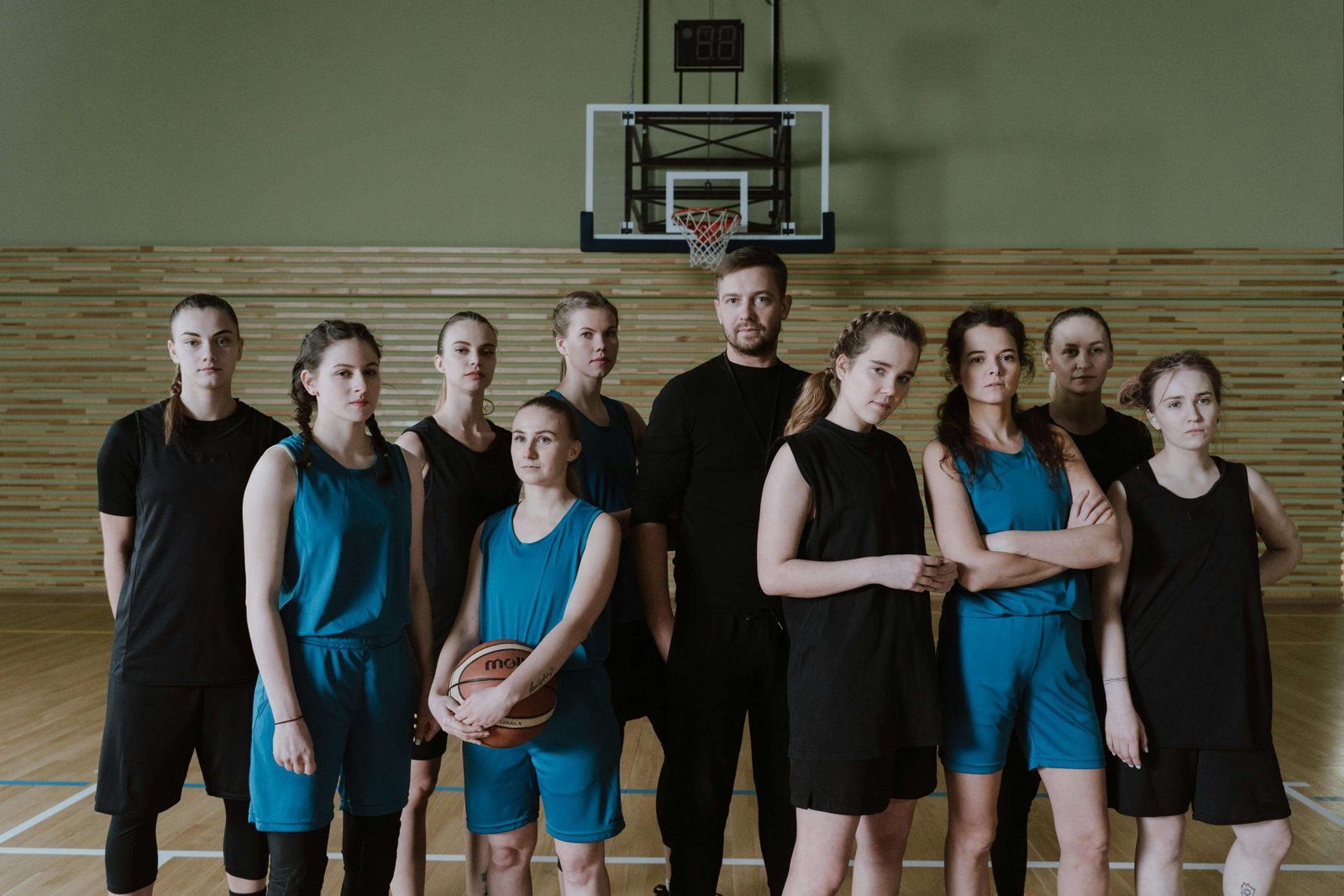

Sport is most visible while the game is happening: movement, score, cheering, a quick agreement in the final moment. But what people often carry away from the field is not only the memory of one good move. More often, it is the way they cooperated, listened, accepted the rules and kept going when things were not easy. That is why sporting activities can become a small school of everyday skills, without heavy theory or unnecessary pressure.
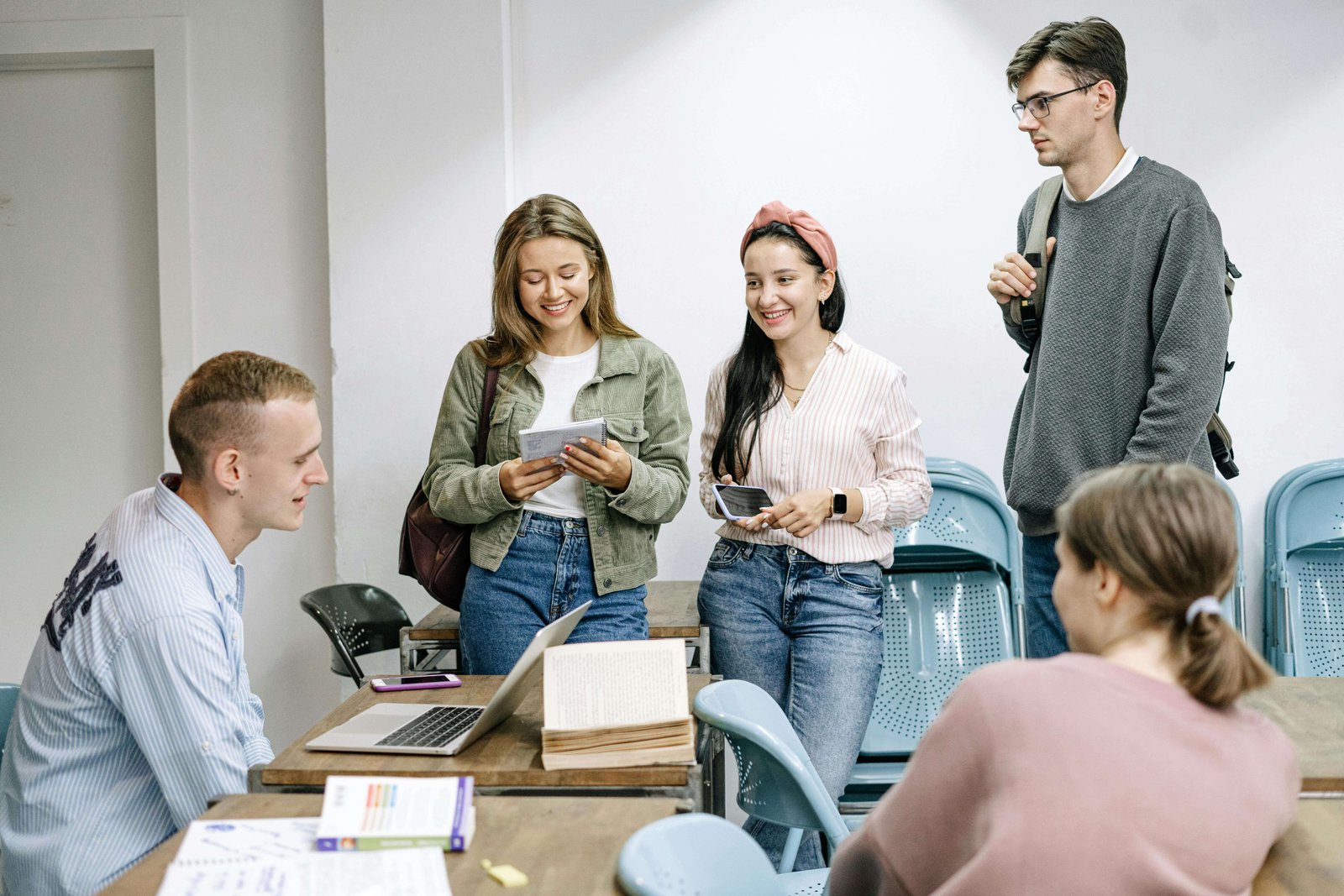
Within “Putem sporta”, that dimension matters. Young people do not gather only to take part in an activity, but also to experience what teamwork looks like in practice. Someone takes initiative, someone helps the group agree, someone encourages the team when energy drops. These are small moments, but they show clearly that sport does not only build fitness. It also shapes the way people relate to one another.
Teamwork begins when we listen before we react
On the field, it quickly becomes clear that a good result depends not only on talent, but also on trust, agreement and the willingness of everyone to contribute what they can.
Fair play may be the simplest example. Accepting a rule, congratulating others, admitting a mistake or staying respectful in the heat of play may seem small, but these situations teach responsibility. They remind us that respect is not an abstract value, but something shown precisely when it would be easier to react too quickly. That is why sporting encounters can be valuable even for people who do not train professionally or regularly.
Discipline in sport does not have to sound strict either. Sometimes it is simply arriving on time, agreeing with the team, repeating the basic steps or being willing to try once more. In everyday life, the same habit becomes useful in many places: in learning, volunteering, working on a shared project or any situation where progress depends on persistence. Sport gives that effort a clear frame, because work becomes visible and improvement is built through small steps.
Values from the field matter most when they travel further
Perhaps the best part is that these lessons do not appear as a lecture. They happen through play, agreement, laughter after a missed chance and the feeling that a group can do more when people support one another. That is why “Putem sporta” has room to present sport as an accessible way of learning: not through big slogans, but through situations young people immediately understand.
When an activity ends, the result is remembered only briefly. But the experience of cooperation, respect and persistence can last much longer. That is one of the most valuable things sport activates beyond the field: the sense that rules, effort and support matter not only during the game, but also in the way we build relationships, community and our own confidence.