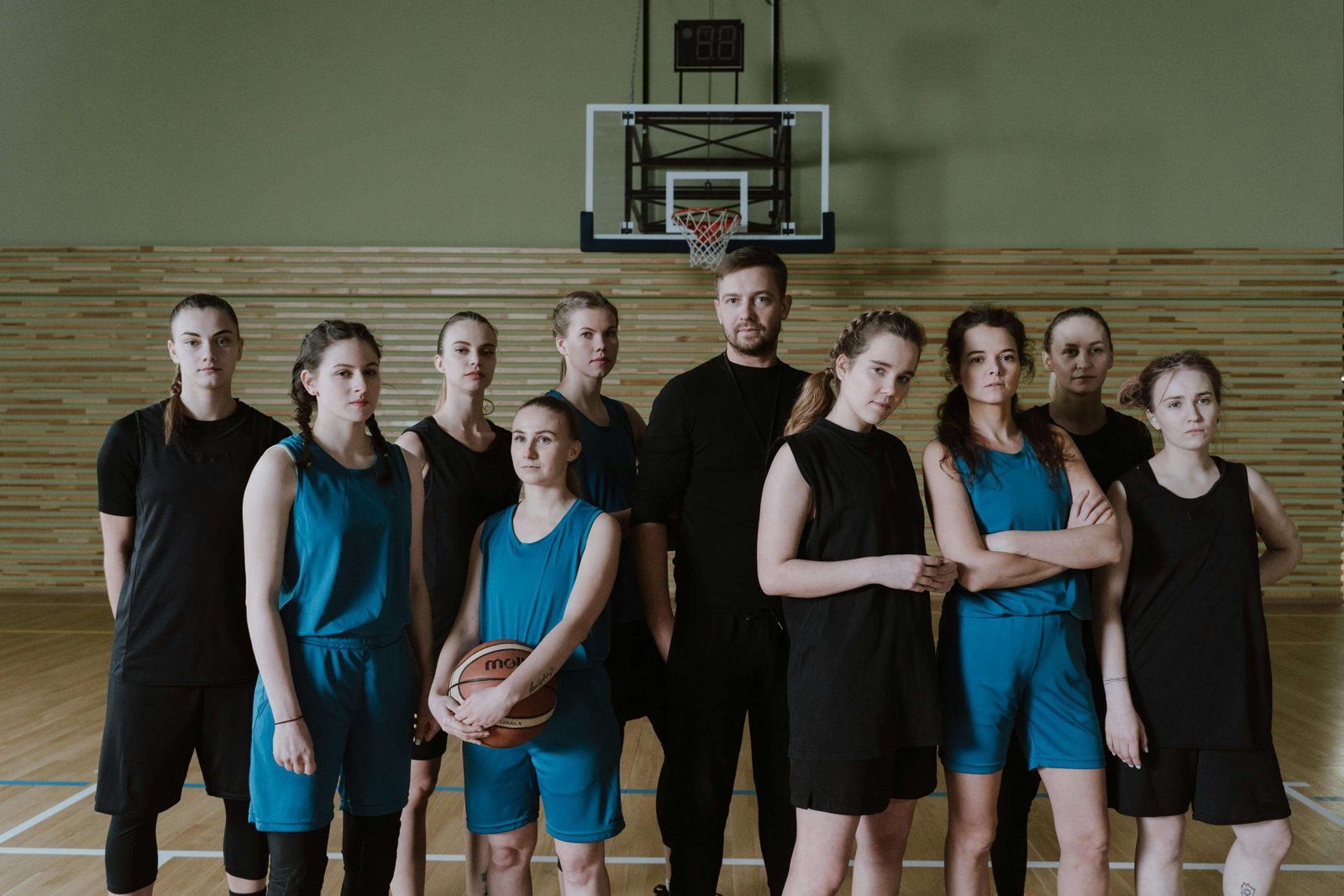

When a neighbourhood hosts a tournament, recreation day or open training session, the event may look modest beside a major sporting occasion. There is no long journey or packed stand, but there is something equally important for young people: an opportunity to take part where they live and to experience their surroundings in a new way.
A local sporting event is easy to reach. Participants can arrive on foot, by bicycle or after a short ride, while a familiar setting reduces the discomfort someone may feel when joining for the first time. Young people do not have to belong to a club or bring extensive experience. They only need to arrive, learn the rules and find a role that suits them.
A place where people genuinely meet
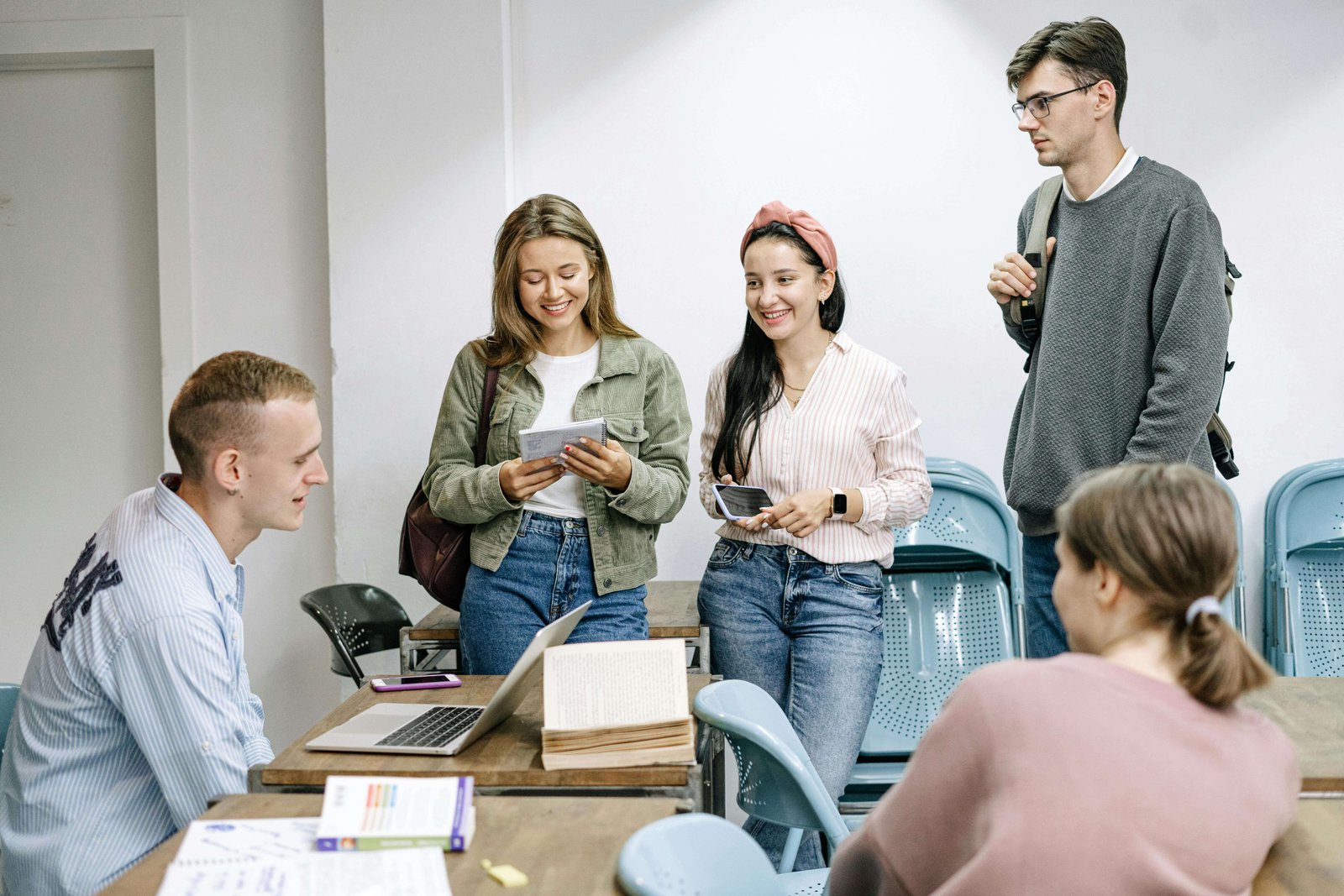
The field brings together peers who live nearby but may never have met before. A shared activity makes the first conversation easier: someone looks for a teammate, someone explains a rule, while another person cheers for a friend and stays to support the other team. A familiar street, schoolyard or playing field then becomes a place for new connections.
A local sporting event does more than gather participants; it shows young people that there is a place in their own neighbourhood where they are welcome.
The value of these encounters goes beyond playing. Young people see how an event is prepared, how tasks are shared and how many people contribute to making it work. Someone can help with registration, welcome participants, keep score, take photographs or prepare the space. Sport therefore opens other ways to participate, especially for those who do not want to compete.
Within “Putem sporta”, activities like these are a reminder that community does not have to begin with a major event. It can start with an available playing field, a clear invitation and an atmosphere in which the result matters less than people taking part. When young people feel accepted, they are more likely to return, bring friends or suggest another activity.
From one event to a more active neighbourhood
A good local event leaves a mark after the match ends. The next time participants meet, it is easier to greet one another, arrange another session or use a space they once only passed by. Parents, neighbours and local organisations also gain a chance to see what interests young people and what kind of support is genuinely useful to them.
Such events can strengthen a sense of belonging because they give young people a visible place in community life. Instead of being only spectators, they become participants, organisers and people whose ideas are heard. That experience matters beyond sport as well: it shows that change in one’s surroundings can begin with a small, practical contribution.
A local sporting event is therefore not simply a smaller version of a major tournament. Its value lies precisely in its proximity, openness and the possibility of meeting again. When the field becomes a place where young people belong, sport takes on a role that lasts longer than any single result.